
Transforming Used Batteries for Sustainable Energy Solutions
The world is facing a significant challenge: how to manage the increasing number of used batteries while also seeking sustainable energy solutions. With the rise of electric vehicles and renewable energy storage, the demand for batteries has surged. However, this has led to a pressing need to find effective ways to recycle and repurpose these used batteries. In this blog post, we will explore the various methods of transforming used batteries into sustainable energy solutions, the importance of battery recycling, and the innovative technologies that are paving the way for a greener future.
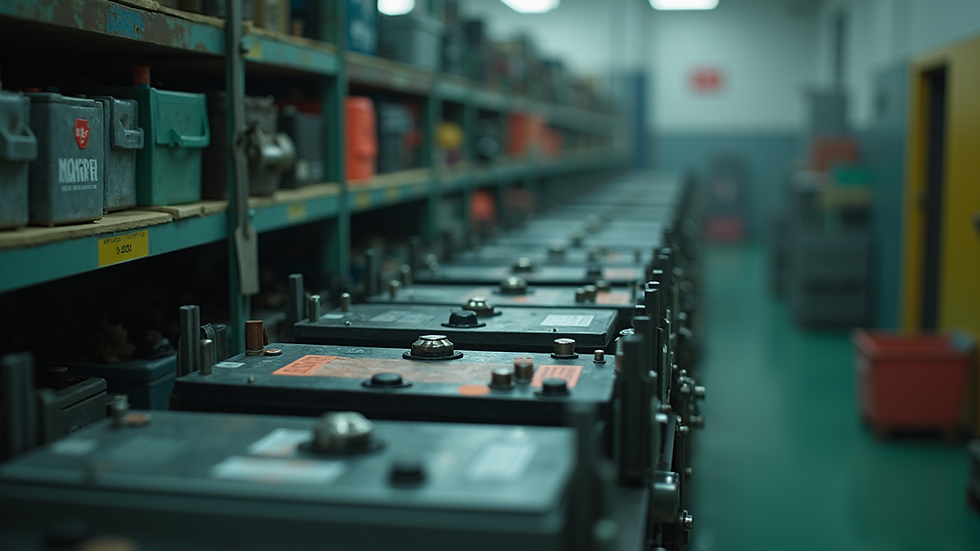
Understanding Battery Types and Their Impact
Before diving into the recycling process, it’s essential to understand the different types of batteries and their environmental impact. The most common types of batteries include:
Lead-Acid Batteries: Often used in vehicles, these batteries are recyclable and can be processed to recover lead and sulfuric acid.
Lithium-Ion Batteries: Widely used in consumer electronics and electric vehicles, lithium-ion batteries contain valuable materials like lithium, cobalt, and nickel.
Nickel-Cadmium Batteries: These batteries are less common today but still require proper disposal due to the toxic cadmium they contain.
Each type of battery poses unique challenges when it comes to recycling. For example, lithium-ion batteries are particularly complex due to their chemical composition and the potential hazards they present if not handled correctly.
The Importance of Battery Recycling
Battery recycling is crucial for several reasons:
Environmental Protection: Improper disposal of batteries can lead to soil and water contamination. Recycling helps mitigate these risks by safely processing hazardous materials.
Resource Recovery: Many components of batteries can be recovered and reused. For instance, lithium and cobalt can be extracted and used in new batteries, reducing the need for mining.
Energy Efficiency: Recycling batteries often requires less energy than producing new batteries from raw materials. This contributes to a lower carbon footprint.
By recycling batteries, we not only protect the environment but also create a circular economy that maximizes resource use.
The Battery Recycling Process
The recycling process for batteries typically involves several steps:
Collection: Used batteries are collected from various sources, including retailers, recycling centers, and consumers.
Sorting: Batteries are sorted by type to ensure they are processed correctly. This step is crucial as different batteries require different recycling methods.
Dismantling: Batteries are dismantled to separate their components. This may involve removing the casing and separating the electrolyte from the electrodes.
Processing: The separated materials are processed to recover valuable metals and chemicals. For example, in lithium-ion batteries, the lithium and cobalt can be extracted for reuse.
Reintegration: Recovered materials are reintegrated into the manufacturing process, creating new batteries or other products.
Each step in this process is vital for ensuring that batteries are recycled efficiently and safely.
Innovative Technologies in Battery Recycling
Recent advancements in technology have significantly improved battery recycling processes. Here are some notable innovations:
Hydrometallurgical Processes
Hydrometallurgy involves using aqueous solutions to extract metals from ores or recycled materials. This method is particularly effective for lithium-ion batteries, allowing for the recovery of lithium, cobalt, and nickel with minimal environmental impact.
Pyrometallurgical Processes
Pyrometallurgy uses high temperatures to extract metals from batteries. While this method can be energy-intensive, it is effective for recovering metals from lead-acid batteries and nickel-cadmium batteries.
Direct Recycling Techniques
Direct recycling techniques aim to preserve the structure of battery materials, allowing for the reuse of components without complete processing. This method can significantly reduce energy consumption and improve the efficiency of recycling.
Artificial Intelligence and Automation
AI and automation are being integrated into recycling facilities to enhance sorting and processing efficiency. These technologies can help identify battery types and optimize the recycling process, leading to higher recovery rates.
Case Studies: Successful Battery Recycling Initiatives
Several companies and organizations have made significant strides in battery recycling. Here are a few examples:
Redwood Materials
Founded by former Tesla CTO JB Straubel, Redwood Materials focuses on recycling lithium-ion batteries. The company has developed a closed-loop system that recovers valuable materials and reintegrates them into the battery manufacturing process. Their innovative approach has the potential to reduce the need for new raw materials significantly.
Li-Cycle
Li-Cycle is a Canadian company that specializes in lithium-ion battery recycling. Their process involves a unique combination of mechanical and hydrometallurgical techniques, allowing them to recover up to 95% of the materials in used batteries. Li-Cycle has established partnerships with major battery manufacturers and is expanding its operations to meet growing demand.
Call2Recycle
Call2Recycle is a non-profit organization that promotes battery recycling in North America. They provide collection services and educational resources to help consumers and businesses recycle their batteries responsibly. Their efforts have led to the recycling of millions of pounds of batteries, contributing to a more sustainable future.
The Role of Consumers in Battery Recycling
Consumers play a crucial role in the battery recycling process. Here are some steps individuals can take to contribute:
Educate Yourself: Understand the types of batteries you use and their recycling options. Many retailers offer battery recycling programs.
Participate in Recycling Programs: Take advantage of local recycling programs and drop-off locations for used batteries.
Spread Awareness: Share information about battery recycling with friends and family to encourage responsible disposal practices.
By taking these steps, consumers can help reduce the environmental impact of used batteries and support the transition to sustainable energy solutions.
Future Trends in Battery Recycling
As the demand for batteries continues to grow, several trends are emerging in the recycling industry:
Increased Regulation: Governments are implementing stricter regulations on battery disposal and recycling, encouraging manufacturers to take responsibility for their products.
Research and Development: Ongoing research is focused on improving recycling technologies and developing new methods for recovering materials from batteries.
Collaboration: Partnerships between manufacturers, recyclers, and governments are becoming more common, leading to more efficient recycling systems.
These trends indicate a positive shift towards a more sustainable approach to battery management.
Conclusion
Transforming used batteries into sustainable energy solutions is not just a necessity; it is an opportunity to create a cleaner, greener future. By understanding the recycling process, supporting innovative technologies, and actively participating in recycling efforts, we can all contribute to a more sustainable world. The journey towards effective battery recycling is ongoing, and with collective effort, we can turn the challenge of used batteries into a powerful solution for sustainable energy.
As we move forward, let’s embrace the potential of battery recycling and work together to ensure a brighter future for generations to come.

Comments