
The Future of Energy Storage: Reviving Second-Life Batteries
The world is at a critical juncture in its energy journey. As we strive to transition to renewable energy sources, the need for effective energy storage solutions has never been more pressing. One innovative approach gaining traction is the concept of second-life batteries. These are batteries that have reached the end of their useful life in electric vehicles (EVs) but still possess significant capacity for other applications. This blog post will explore the future of energy storage through the lens of second-life batteries, their potential benefits, challenges, and real-world applications.
Understanding Second-Life Batteries
What Are Second-Life Batteries?
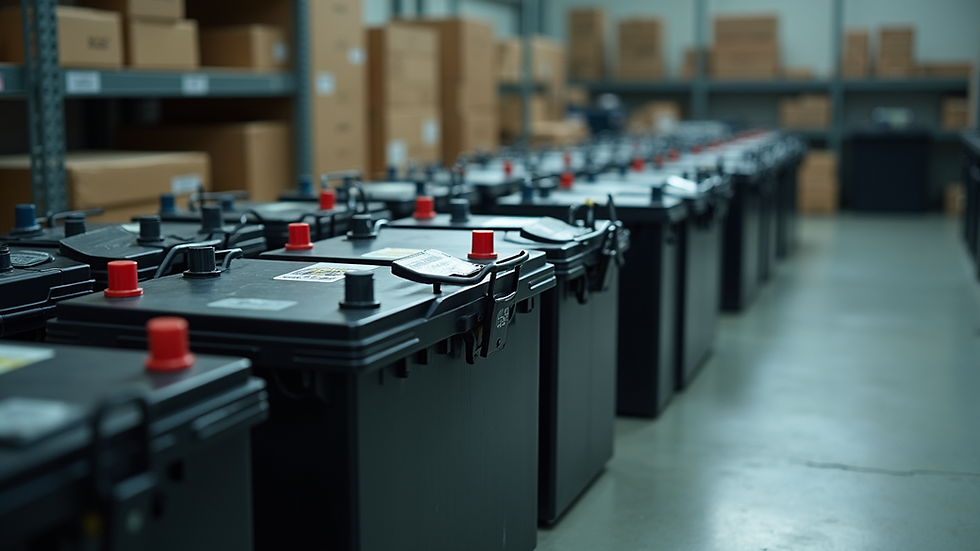
Second-life batteries are repurposed batteries that have been removed from their original applications, typically electric vehicles. While these batteries may no longer meet the stringent performance standards required for automotive use, they often retain a substantial portion of their capacity. This makes them suitable for various applications, particularly in energy storage systems.
Why Are They Important?
The importance of second-life batteries lies in their potential to address several pressing issues:
Waste Reduction: By repurposing batteries, we can significantly reduce electronic waste, which is a growing environmental concern.
Cost-Effectiveness: Second-life batteries can provide a more affordable alternative to new batteries for energy storage systems.
Grid Stability: They can help stabilize the grid by storing excess energy generated from renewable sources, such as solar and wind.
The Benefits of Second-Life Batteries
Environmental Impact
One of the most compelling reasons to embrace second-life batteries is their positive environmental impact. The production of new batteries involves mining for raw materials, which can be environmentally damaging. By reusing existing batteries, we can minimize the need for new materials and reduce our carbon footprint.
Economic Advantages
Second-life batteries can provide significant economic benefits. They are generally less expensive than new batteries, making energy storage solutions more accessible for businesses and homeowners. This cost-effectiveness can accelerate the adoption of renewable energy technologies, leading to a more sustainable energy landscape.
Versatile Applications
Second-life batteries can be used in various applications, including:
Residential Energy Storage: Homeowners can use second-life batteries to store energy generated from solar panels, allowing them to use renewable energy even when the sun isn't shining.
Commercial Energy Solutions: Businesses can implement second-life batteries to manage energy costs and improve efficiency.
Grid Support: Utility companies can deploy second-life batteries to provide backup power and enhance grid reliability.
Challenges Facing Second-Life Batteries
Performance and Reliability
While second-life batteries offer many advantages, there are challenges to consider. The performance and reliability of these batteries can vary significantly based on their previous usage and the conditions they were exposed to. Ensuring that these batteries meet safety and performance standards is crucial for their widespread adoption.
Regulatory Hurdles
The regulatory landscape surrounding second-life batteries is still evolving. Different regions have varying regulations regarding battery recycling and repurposing. Navigating these regulations can be complex and may hinder the growth of the second-life battery market.
Market Acceptance
Despite the benefits, there is still a degree of skepticism regarding second-life batteries. Educating consumers and businesses about their potential and reliability is essential for fostering acceptance and encouraging adoption.
Real-World Applications of Second-Life Batteries
Case Study: Nissan Leaf Batteries
Nissan has been a pioneer in the second-life battery market, particularly with its Leaf electric vehicle. The company has developed projects that repurpose used Leaf batteries for energy storage applications. For example, in 2019, Nissan partnered with a Japanese company to create a large-scale energy storage system using second-life Leaf batteries. This system helps stabilize the grid and provides backup power during outages.
Case Study: BMW's Battery Storage Project
BMW has also embraced the concept of second-life batteries. The company has implemented a project in Germany that uses repurposed batteries from its electric vehicles to create a stationary energy storage system. This system supports renewable energy integration and helps balance supply and demand on the grid.
Case Study: Tesla's Energy Storage Solutions
Tesla is another key player in the energy storage market. While Tesla primarily focuses on new battery production, the company has expressed interest in exploring second-life battery applications. By integrating second-life batteries into its energy storage solutions, Tesla could further enhance the sustainability of its products.
The Future of Second-Life Batteries
Innovations on the Horizon
As technology continues to advance, the future of second-life batteries looks promising. Innovations in battery management systems and recycling technologies could improve the performance and reliability of repurposed batteries. Additionally, advancements in artificial intelligence and machine learning may enable better monitoring and assessment of battery health, ensuring optimal performance.
Expanding Market Opportunities
The market for second-life batteries is expected to grow significantly in the coming years. As more electric vehicles reach the end of their life cycles, the availability of second-life batteries will increase. This growth will create new opportunities for businesses and entrepreneurs to develop innovative energy storage solutions.
Collaboration and Partnerships
Collaboration between automakers, energy companies, and technology providers will be essential for the success of second-life batteries. By working together, these stakeholders can develop standardized practices for battery repurposing, improve safety protocols, and create a more robust market for second-life batteries.
Conclusion
The future of energy storage is bright, and second-life batteries play a crucial role in this transformation. By repurposing used batteries, we can reduce waste, lower costs, and enhance the integration of renewable energy sources. While challenges remain, the potential benefits of second-life batteries are too significant to ignore. As we move forward, embracing this innovative approach will be essential for building a sustainable energy future.
The journey toward a cleaner, more efficient energy landscape is underway, and second-life batteries are at the forefront of this exciting evolution. Now is the time to explore how we can harness their potential to create a better tomorrow.
Comments